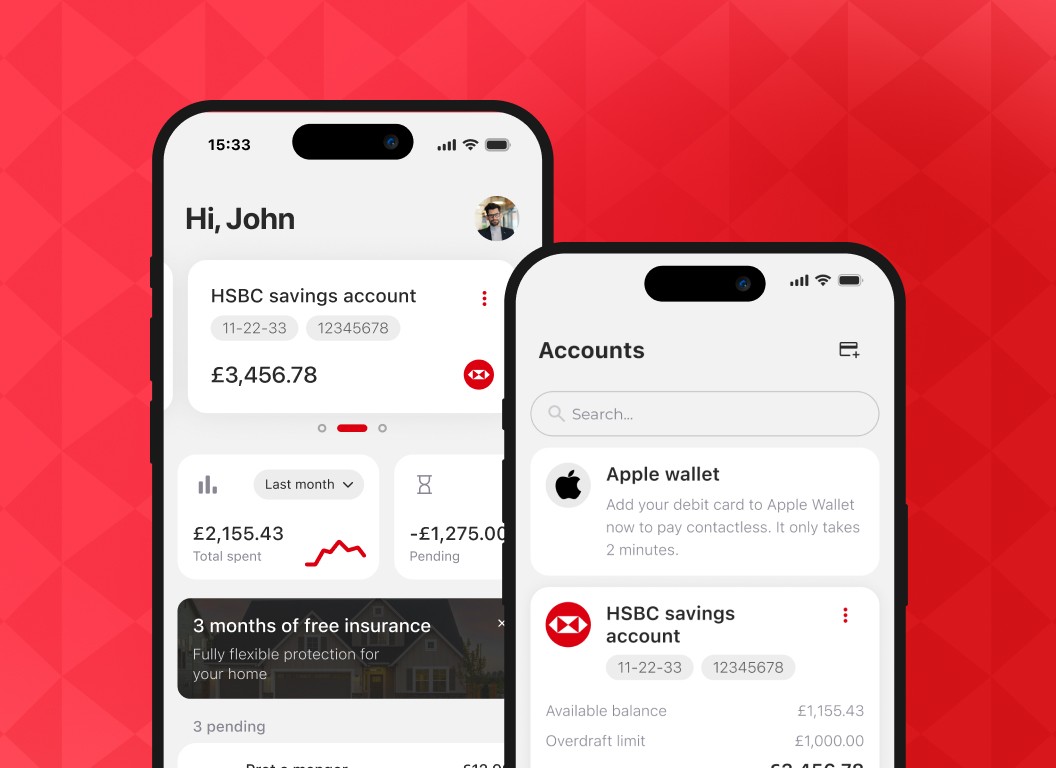
Project overview
Design Thinking and Lean UX methodologies were applied within a highly Agile environment to improve clarity, usability, and performance across critical mobile banking app journeys, including login, payments, transfers, and account management.
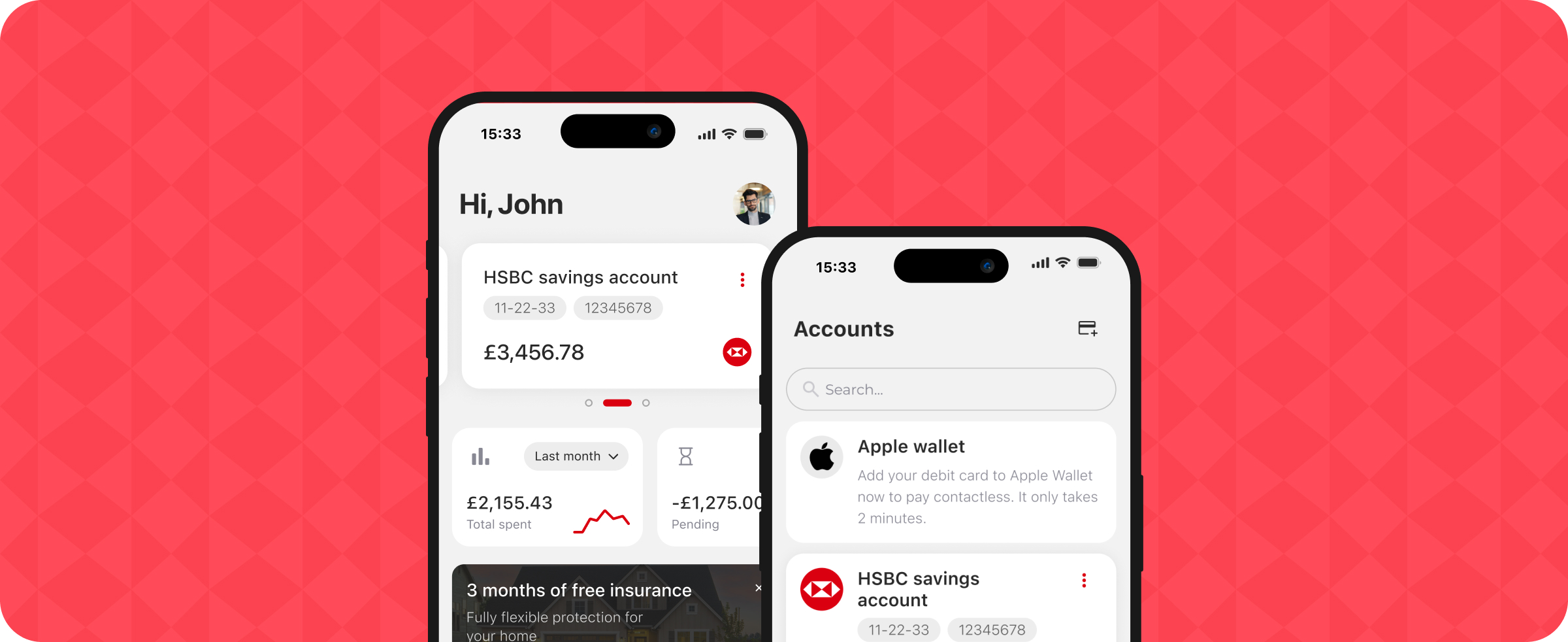
Impact
4.8 App Store rating
Mobile banking app usability improvements formed part of a broader initiative that coincided with an increase in App Store ratings from 1.9 to 4.8 stars.
6M+ users
The improved mobile banking experience supported continued growth from approximately 1.5M to over 6M active mobile app users.
12× faster
Core mobile banking app flows were streamlined, contributing to significant performance improvements.
6× release frequency
Clearer UX/UI structure enabled more frequent mobile banking app releases.
Faster task completion
Users completed essential mobile banking tasks such as payments and transfers more efficiently.
Higher engagement
Simplified dashboards encouraged more frequent interaction with the mobile banking app.
Reduced support tickets
Clearer mobile banking UX helped reduce customer confusion.
Financial confidence
Improved visual hierarchy supported better understanding of finances within the mobile banking app.
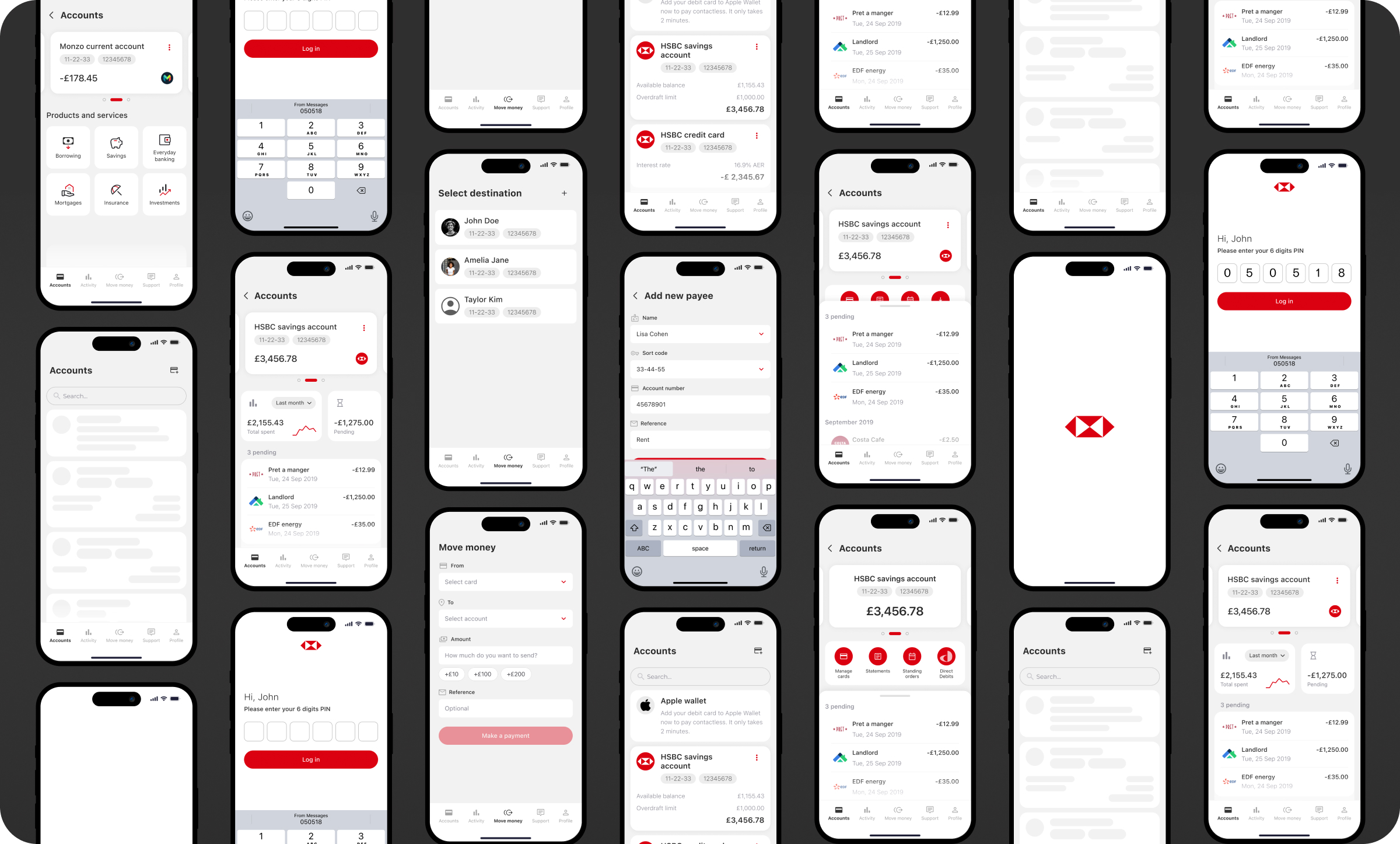
Mission
The mission was to shape a trustworthy and intuitive mobile banking app during a period of increased reliance on digital banking. By simplifying information architecture and refining interactions, the experience reduced friction and helped users manage money confidently through a well-designed mobile banking interface.
Key challenges
Designing mobile banking UX for diverse global audiences.
Resolving outdated and inconsistent mobile app flows.
Reducing friction in secure mobile banking authentication.
Aligning global teams around mobile banking priorities.
Ensuring consistent mobile banking experiences across markets.
Objectives
- Create a modern, intuitive mobile banking app
- Align teams around clear mobile banking journeys
- Reduce friction in login, balance checks, and payments
- Support scalability across mobile platforms
- Improve satisfaction and reduce complaints
Design process
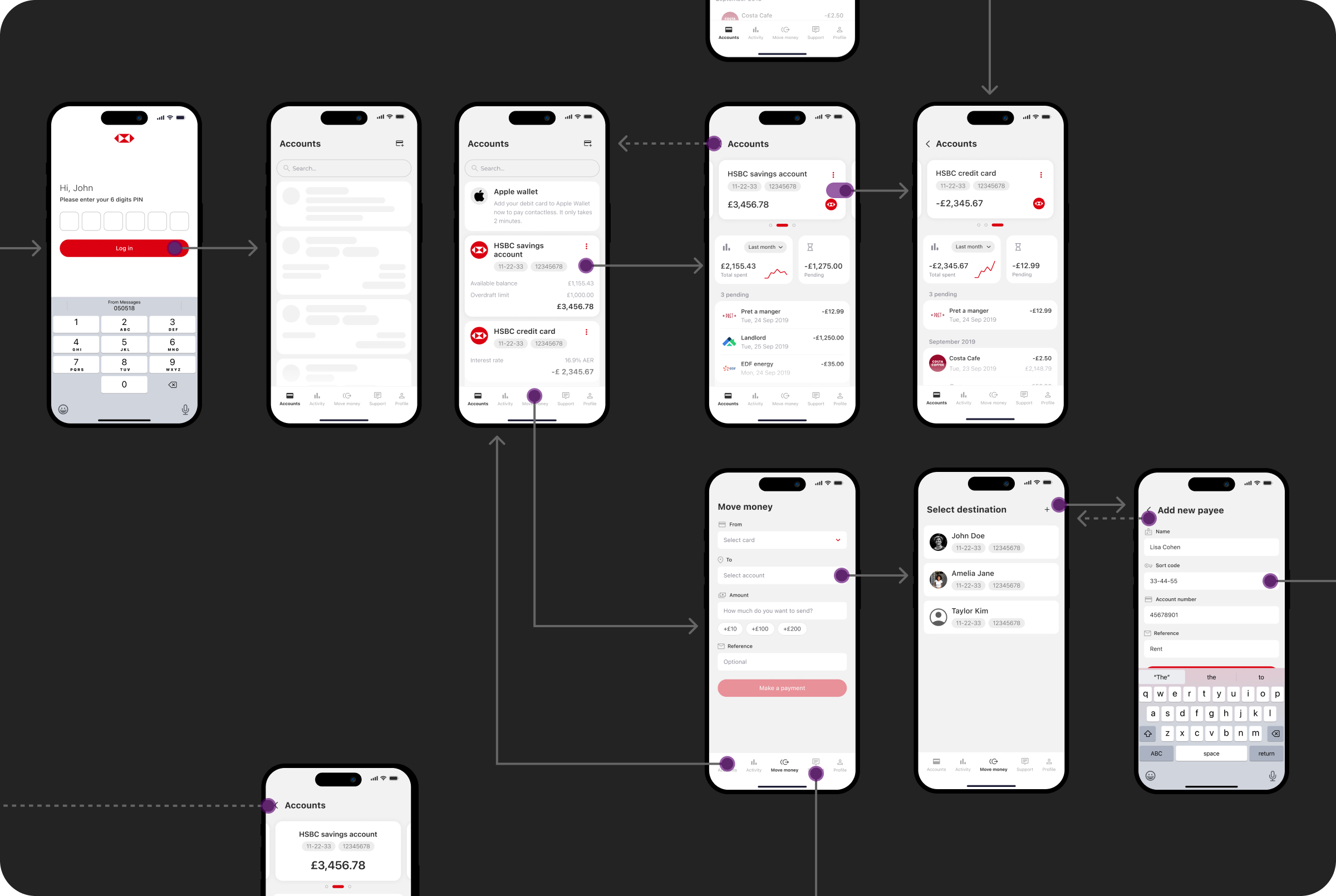
The mobile banking UX/UI design process combined usability testing, heuristic analysis, and iterative prototyping. Core mobile banking app journeys were mapped, friction points identified, and flows refined to improve clarity, speed, and reliability.
Research & insights
Stakeholder interviews, system audits, competitor analysis, and user research uncovered key mobile banking usability issues.
Ideation & wireframes
Low-fidelity mobile banking flows were created and aligned through collaborative cross-functional workshops.
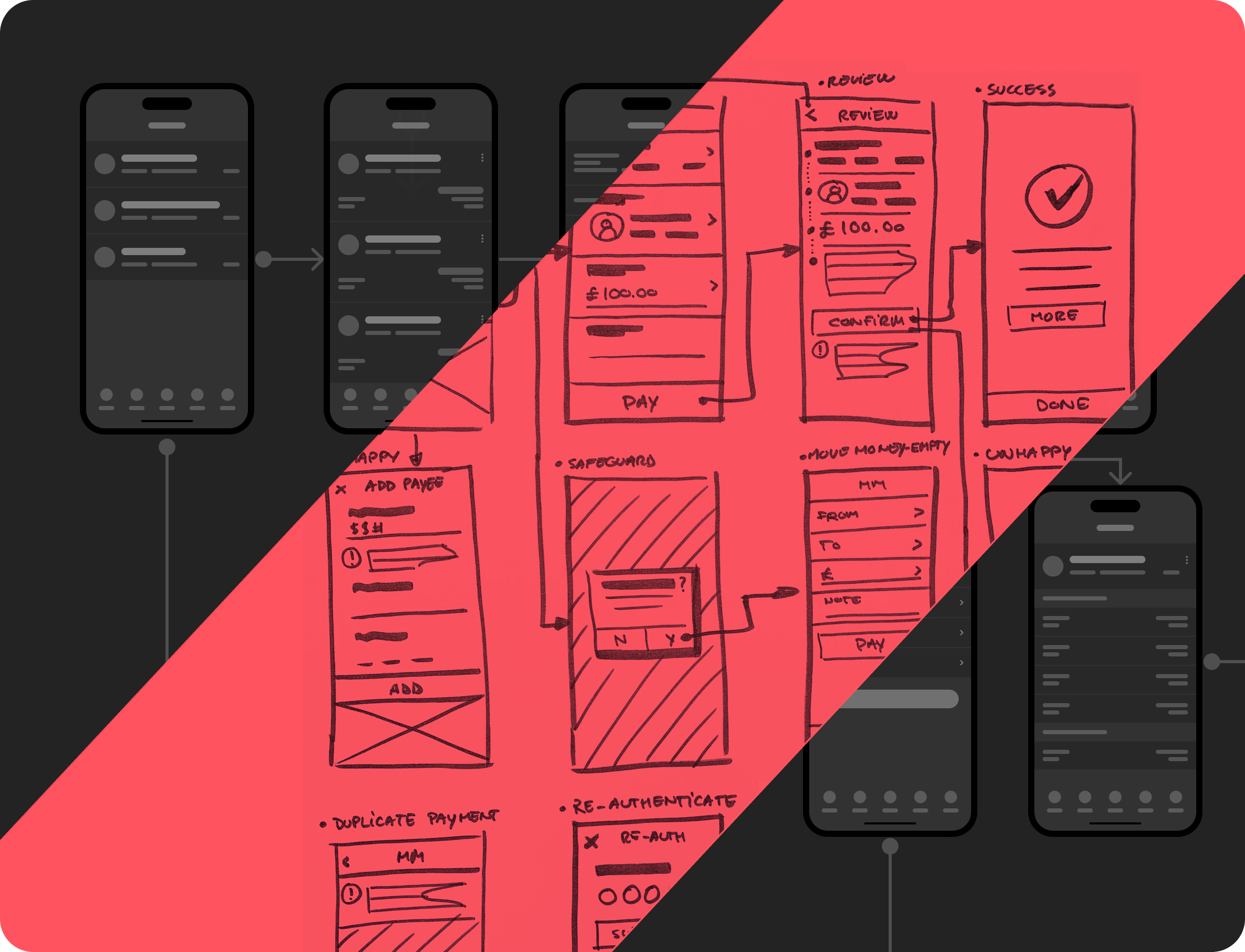
Hi-fi designs & prototyping
High-fidelity mobile banking UI designs were produced and validated through rapid prototyping.
Testing
Early mobile app releases reached tens of thousands of users, enabling data-informed improvements.
Accessibility
Remote usability testing of the mobile banking app identified mostly minor accessibility issues, which were addressed quickly.
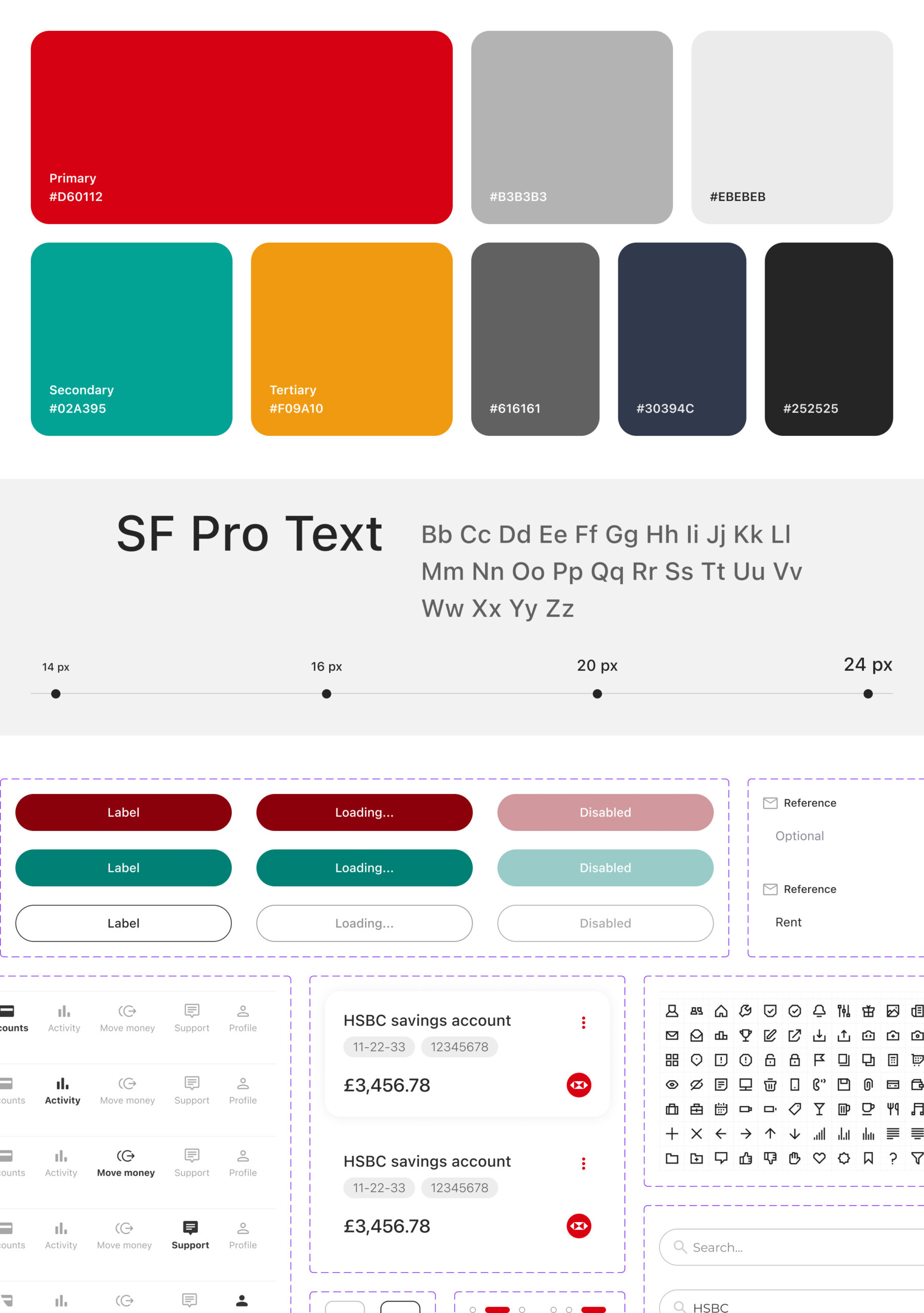
Design system
Structured mobile banking user flows and wireframes were translated into interactive prototypes to support rapid validation.
Critical insights
Designing a mobile banking app at scale requires balancing security, regulation, and usability. Continuous user validation and fast feedback loops proved essential during periods of rapid digital adoption.
*This case study describes experience gained by team members across prior roles and engagements.